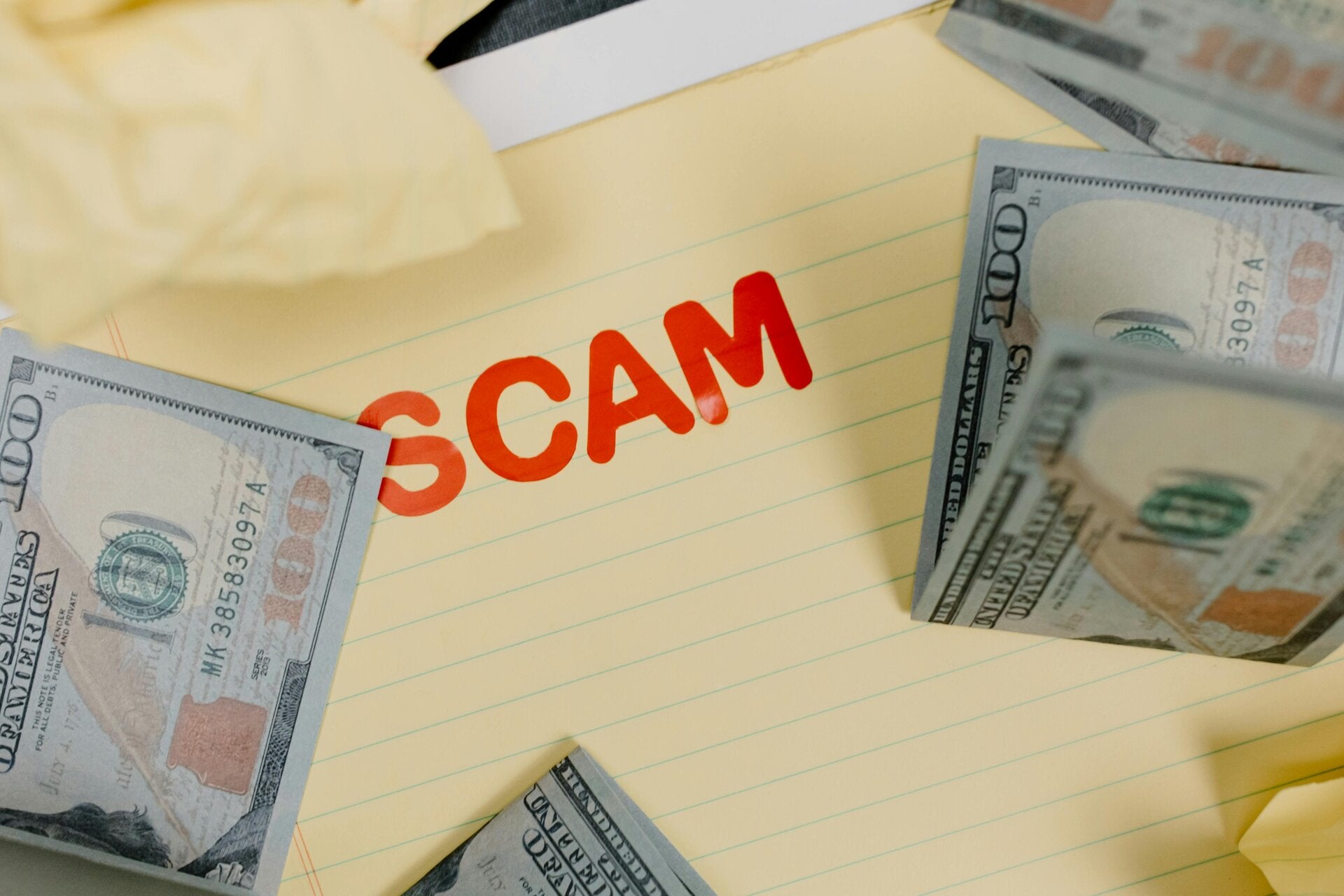
When people think about fraud, they usually picture something happening to a company — a business accountant embezzling funds, a corporate email scam. But individuals are targeted just as often, sometimes more, and the warning signs are frequently easy to miss because they don't look the way we expect fraud to look.
I spent years in fraud analysis and detection before moving into consulting and real estate, and the patterns that show up in individual fraud cases are remarkably consistent. Here's what to watch for.
Urgency is the biggest red flag. Legitimate requests for money or information rarely require an immediate response. If something is pushing you to act right now — wire this today, click this link before it expires, don't tell anyone — that pressure itself is a warning sign, regardless of how official the request looks.
Unusual payment methods. Gift cards, wire transfers to unfamiliar accounts, cryptocurrency, or payment apps to someone you don't personally know are all common in fraud schemes, precisely because they're hard to reverse.
Small, repeated charges. Fraudsters sometimes test a stolen card or account with small transactions before attempting larger ones. Reviewing your statements line by line, not just checking the total, catches this early.
Contact from someone impersonating a person or institution you trust. Fraud often works by borrowing legitimacy — a message that looks like it's from your bank, a call that appears to come from a family member in distress, an email that mimics a real company. When in doubt, contact the actual institution or person directly through a number or channel you already know is correct, not one provided in the suspicious message itself.
A deal that doesn't match reality. Whether it's an investment, a rental listing, or a “too good to pass up” opportunity, if the numbers don't make sense compared to what's realistic in the market, trust that instinct.
Fraud prevention isn't about becoming suspicious of everyone. It's about knowing the patterns well enough to pause at the right moments. If you'd like a second opinion on something that feels off, I'm glad to take a look.